著者 マルコ・ロッシ
私は何年もの間、テーブルの後ろに立ち、プレイヤーが夜ごとに同じ高額なミスを繰り返すのを見てきました。マカオのハイステークスルームやリガの華やかなスタジオでも、結末はいつも同じです。プレイヤーがテレビでワールドシリーズ・オブ・ポーカー(WSOP)を見て自信を持って入ってきます。彼らはテキサスホールデムの遊び方を知っていると思っています。アルティメット・テキサス・ホールデム(UTH)のテーブルに座り、30分以内に彼らのスタックは消えてしまいます。
なぜでしょう?それは、彼らが「ポーカー」をしようとしているからです。ディーラーを罠にかけようとしています。エースをスロープレーします。根拠のないブラフをします。しかし、生ライブカジノポーカーの厳しい現実はここにあります:フォールドしないハウスをブラフすることはできません。
ライブディーラーゲームの世界では、アルティメットテキサスホールデム、スリーカードポーカー、カジノホールデムのようなゲームは心理戦ではありません。厳格で揺るぎない数学のゲームです。ディーラーは自分の行動を選べません。配られたカードに基づいて厳密なルールに従わなければなりません。つまり、彼らを打ち負かすか、または少なくとも、ハウスエッジを生き残れるレベルまで下げるには、自分自身が機械になる必要があります。
アルティメット・テキサス・ホールデムを「直感」でプレイすると、ハウスエッジは約4%から5%になります。それはダブルゼロルーレットよりも悪いです。しかし、私がこれから教える最適な「トータルディペンデント」戦略でプレイすると、そのエッジは0.53%に下がります。これにより、カジノ全体でブラックジャックに匹敵する最高のゲームの一つとなります。この詳細なガイドでは、神話を取り除き、「トリップス」のサイドベットを無視し、ゲームに残るための数学に完全に焦点を当てます。
基本的な違い:PvP vs. ハウスバンキング
カードに触れる前に、考え方を変えなければなりません。通常のポーカールームでは、他の人間と対戦しています。彼らのミスや恐怖、欲を利用することが目標です。大きくベットすると、より良い手を持つ相手をフォールドさせることができるかもしれません。チェックすると、ブラフを誘発することもあります。
ライブカジノポーカーでは、相手はハウス(カジノ)です。ディーラーの手札はランダムで、ディーラーの行動は自動化されています。
1. フォールドエクイティなし:7-2のオフスートでも全スタックを突っ込めますが、ルールでプレイする限りディーラーは必ずコールします。フォールドを強制できません。
2. レイク(手数料)なし(ある意味):通常のポーカーでは、ハウスはポットの一部を「レイク」として取ります。ライブUTHでは、ハウスはゲームの仕組みや配当の統計上の有利さによって収益を得ます。
これを理解することは重要です。なぜなら、それが攻めのスタイルを決定するからです。フォールドを強制できないので、唯一の武器はバリューベットです。統計的に有利な時に最大限の金額をテーブルに置かなければなりません。後から価値を作る2度目のチャンスはありませんから。
アルティメット・テキサス・ホールデム:ライブポーカーの王様
黄金標準となるアルティメット・テキサス・ホールデム(UTH)に注目しましょう。Scientific Gamesが開発し、EvolutionやPlaytechのようなプロバイダーがストリームしています。これが最も人気のあるバリエーションである理由があります。最も多くの判断ポイントがあり、ハウスエッジが最も低いからです。
ベッティングの仕組みの説明
UTHは、いつ賭けるかによって異なる額を賭けられるのがユニークです。
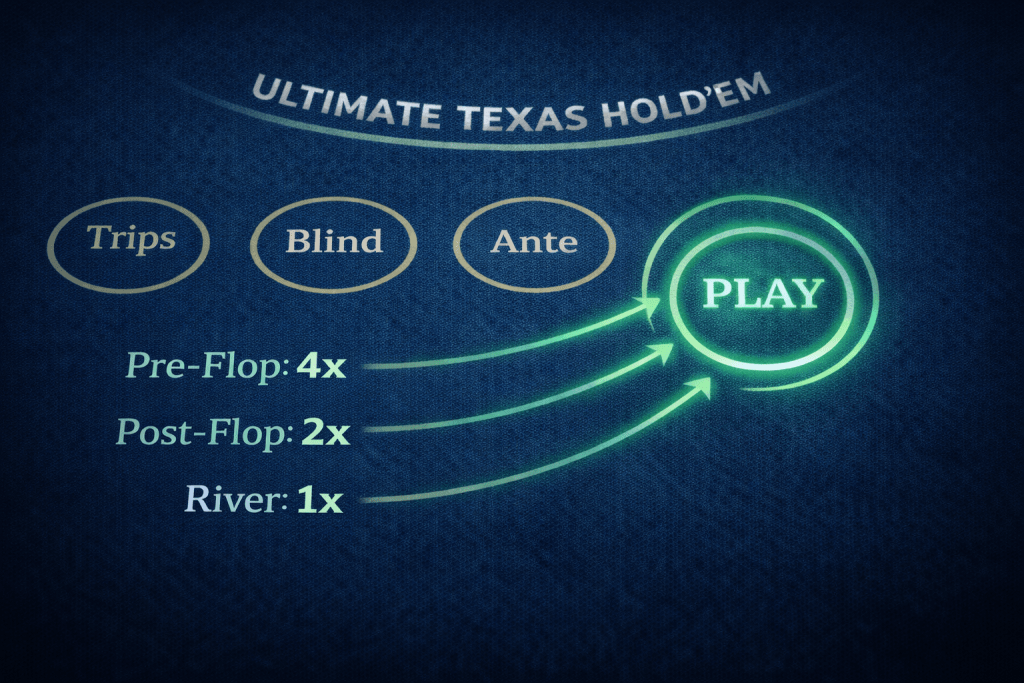
- アンティ&ブラインド:手札開始時に、アンティとブラインドに同額のベットを置かなければなりません。
- プリフロップ(4倍ルール):チェックするか、アンティの3倍または4倍をベットできます。(注意:3倍は絶対にベットしないでください。数学的に間違っています。常に4倍かチェックのみです)。
- フロップ(2倍ルール):プリフロップでチェックした場合、最初の3枚のコミュニティカードを見ます。ここでアンティの2倍をベットするか、再度チェックできます。
- リバー(1倍ルール):最後までチェックした場合、アンティの1倍をベットするか、フォールドしなければなりません。
この仕組みは臆病者には罠です。カジノは、ほとんどのプレイヤーがキング-ファイブのような手で4倍賭けるのを怖がっていることを知っています。しかし、それがあなたがしなければならないことです。
プリフロップ戦略:恐怖を克服する
UTHのエッジの大部分はプリフロップの決定から来ます。ここでセッションが決まります。0.53%のハウスエッジを達成するためには、特定の範囲の手で4倍でレイズしなければなりません。悪いフロップが来る気がするかどうかは関係ありません。数学がプレイを決定します。
「必ず4倍レイズ」チャート
このリストを覚えてください。書き留めて、モニターの横に貼ってください。これらのホールカードが配られたら、すぐに4倍ボタンを押します。
- 3のペア以上:はい、ポケット3sさえも。ランダムなディーラーの手に対して有利です。
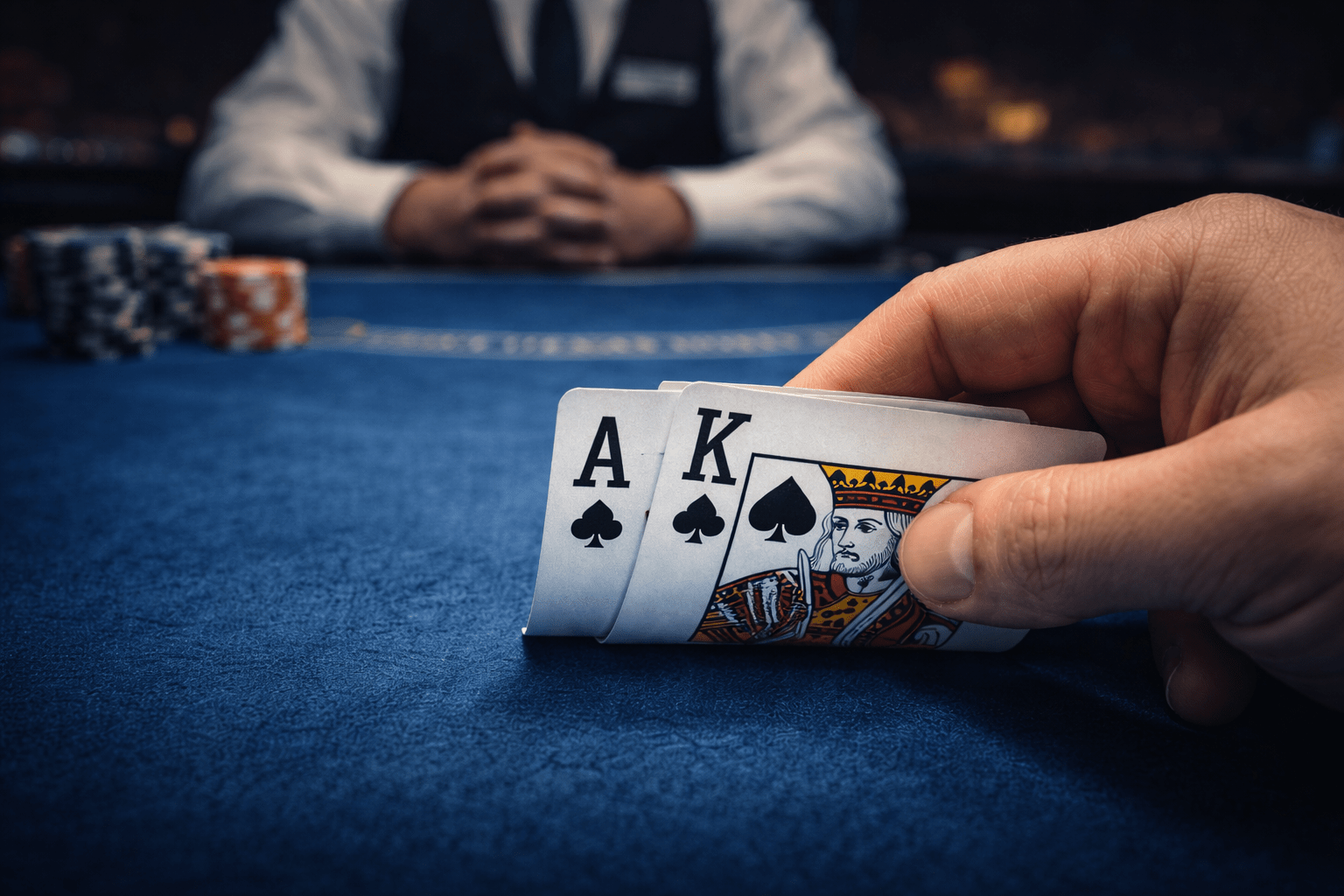
- どんなエースでも:ここでプレイヤーが怖くなります。エース-ツーオフスートはゴミのように見えますが、4倍レイズしてください。エースはランダムな2枚のカードに対して非常に有利です。
- 同スートのキング-5以上:キングと5、6、7、8、9、10、JまたはQの同一スートがあればレイズします。
- オフスートのキング-6以上:カードが異なるスートなら、少し良いキッカーが必要です。キング-6以上はレイズ。キング-5オフスートはチェックします。
- 同スートのクイーン-8以上:クイーンハイはヘッズアップポーカーで強力です。
- オフスートのクイーン-10以上:Q-9オフスートならチェック。Q-10はレイズです。
- 同スートのジャック-10以上:レイズ範囲の最低ラインです。J-10の同スートはボードに絡みやすく、高いカード力もあります。
キングハイレイズの心理学
ここで少し立ち止まりたいと思います。これが新しいプレイヤーにとって最も難しい壁です。キング-6オフスートを見下ろします。アンティに$10、ブラインドに$10を投入しています。正しくプレイするにはさらに$40を中央に突っ込む必要があります。それは無謀に感じます。安く「フロップを見たい」と感じます。
これは「怖がっているお金」です。キング・シックスをチェックすると、エクイティを放棄することになります。ディーラーにエクイティをタダで実現させてしまいます。1万ハンドを超えると、ここでチェックすることはレイズするよりずっと大きな損失になります。数学を信じるしかありません。ディーラーの手はランダムです。ジャック・フォーかナイン・ツーである可能性が高いです。この文脈ではあなたのキング・シックスはモンスターです。
ポストフロッププレイ:ボードのナビゲーション
4倍の手がなかった場合はチェックしました。今、ディーラーはフロップ(三枚のコミュニティカード)を公開します。次の決断は、2倍レイズかチェックのどちらかです。
ここでの戦略は、コミュニティカードがあなたのホールカードとどう作用するかによって複雑になります。しかし、簡単なルールにまとめることができます:
2倍レイズするとき:
1. ツーペア以上: フロップでツーペア、スリーカード、またはストレートが完成したらすぐにレイズします。スロープレイはしないでください。
2. 隠れペア(ホールのペア): ポケットツー(通常チェックしないはずですが、もしした場合)でボードがA-K-Jの場合は通常チェックします。ただし、一般的にボードの最も低いカードよりも高いペアを持っていれば検討の価値があります。
3. フラッシュドローが4枚: 高いカードでフラッシュドローがある場合(例:10ハート・2ハートでボードがキングハート・8ハート・4スペード)には2倍レイズします。フラッシュのアウトとペアのアウトがあります。
待つ(チェック)とき:
ペアか強いドローが少なくともなければチェックしてください。2倍ベットは高額です。不確かならリバーの判断(1倍)まで待つ方が賢明です。
リバーの決断:最後の勝負
プリフロップでチェックし、フロップでもチェックした場合、ディーラーはターンとリバーを公開します。これでコミュニティカードが5枚、あなたのホールカードが2枚揃います。1倍ベットかフォールドの判断が必要です。
これは純粋な生存モードです。
以下の場合は1倍ベット:
– 少なくともペアがある。(どんなペアでも。ボード上のツーペアでもキッカーが働けば良しとします)
– 「ディーラーのアウト」が21未満(これは複雑なカウントですが簡素化すると、エースハイやキングハイの場合はよくコールします)。
フォールドする場合:
– 完全に何もない場合(ペアも高カードもなく)、ボードが危険な時。
「トリップス」ベット:静かなバンクロールキラー
これは強調しなければなりません:「トリップス」サイドベットは数学を理解していない人への税金です。
メインゲームのRTP(プレイヤーへの還元率)は約99.5%です。
トリップスベットはペイテーブルによりますが通常96.5%から95%の範囲です(フラッシュに対する3:1や4:1の支払いを確認してください)。
「トリップス」ベットはスリーカード以上が出たら配当されます。当たると気持ちいいです。$5を賭けてクアッズで$150勝つこともあります。しかし、変動が激しく、何十手もトリップスを出せません。その間、毎回チップが減っていきます。
勝ちたいなら、トリップスベットはプレイしないでください。もし楽しみでプレイするなら、それは戦略ではなくエンターテインメントの代金として扱ってください。
スリーカードポーカー:スピードとシンプルさ
別のライブフロアの定番であるスリーカードポーカーにも軽く触れておきましょう。このゲームはUTHよりずっと速いです。あなたとディーラーに三枚ずつ配られ、強い手が勝ちです。
Q-6-4戦略
スリーカードポーカーで知っているべき戦略はひとつだけです。これは数学的に証明されており、譲れません。
手がクイーン・シックス・フォー以上なら「プレイ」ベット(レイズ)をします。
それ以下ならフォールドします。
なぜQ-6-4か?数百万ハンドのコンピューターシミュレーションで、これが「損益分岐点」と判断されたからです。
– Q-7-2ならプレイ。
– Q-6-3ならフォールド。
– Q-6-4ならプレイ。
それだけ簡単です。逸脱しないでください。見た目が良いからといってJ-10-9をプレイしないでください。ジャックハイは長期的に負ける手です。
重要なルール確認:スリーカードポーカーでは、ストレートはフラッシュより珍しいです。そのため、ストレートはフラッシュより強い扱いです。テキサスホールデムとは逆です。手札を誤解しないでください。
バンクロール管理:変動に対処する
ライブカジノポーカーはブラックジャックやバカラよりも変動が大きいです。なぜならペイアウト構造と4倍のベットのせいです。
ブラックジャックでは10ドル賭けたら10ドル負けるか10ドル(BJなら15ドル)勝つだけです。
UTHでは10ドルのアンティ+10ドルのブラインドに加え、4倍レイズ(40ドル)すると、合計60ドルを1手で賭けることになります。
これにより、標準的な「20バイイン」ルールは通用しません。より深い資金が必要です。
100倍ルール:バンクロールはアンティの100倍以上にすべきです。
5ドルのアンティで遊ぶなら500ドル必要です。多く感じるかもしれませんが、エースキングで4倍レイズして、2のペアに5回連続で負けるような悪い連続が来た時の耐久力を持たなくてはなりません。
ストップロスとウィンリミット:
セッション資金の50%にストップロスを設定してください。500ドル持って250ドルに減ったらやめましょう。カード運が悪いか、むしろ傾いて悪い判断をし始めています。
反対に「勝利目標」も設定してください。資金が倍になったら最初のバイイン分は現金化し、ハウスマネーでプレイしましょう。
ディーラーのエチケットと「マシン」
ライブカジノゲームのチャットボックスには迷信が多いです。「ディーラーを変えろ!」「マシンがズルい!」これらを打ち破りましょう。
1. シャッフラー(トード):
大抵のUTHテーブルは「シャッフルマスター」機械(形状から「トード」と呼ばれる)を利用しています。一組のデッキを保持し、もう一つをプレイ中です。1ハンドが終わるとディーラーがデッキを交換します。マシンは完全にランダムにシャッフルします。ディーラーはカードの順番を操作しません。シャッフルについてディーラーに文句を言うのは無意味です。
2. バーンカード:
ライブポーカーでは、物理カジノのようにフロップ、ターン、リバーの前にカードをバーン(トップカードを捨てる)しないことが多いです。なぜならデッキはマシンで扱われ信頼されているからです。ただし、一部のプロバイダーは行っています。手順を確認しましょう。確率は変わりませんが儀式として知っておくのは良いことです。
3. 「コミュニティ」性:
ライブUTHでは何千ものプレイヤーが同じ手にベットできます。あなたが見るカードは全員が見るカードです。あなたが勝てば何千人も勝ち、負ければ何千人分がカジノに集まります。だからゲームは24時間365日提供されており、オペレーターにとって驚異的なスケーラビリティを誇ります。
結論:規律があなたの武器
ライブカジノポーカーはディーラーを出し抜くゲームではなく、自分自身を出し抜くゲームです。”Trips”のベットに賭けたい衝動を抑えることです。チャートに従ってキング・ファイブのスーテッドでベットの4倍を投入する勇気を持つことです。
テーブルで勝って去るプレイヤーはロボットのようにプレイします。感情をゲームから切り離し、すべてのハンドを統計的なイベントとして扱います。UTHのハウスエッジは非常に低く、0.53%。これは公正な勝負です。しかし完璧にプレイしなければ、このオッズは得られません。完璧でないなら、あなたはただカジノの電気代を支援する観光客に過ぎません。
よくある質問
UTHの「ブラインド」ベットは騙されやすいベットですか?
いいえ、ベースゲームの必須部分です。ただし、変動性が高いです。ブラインドはストレート以上で勝った時のみ払い戻されます。ペアで勝った場合はブラインドはプッシュ(ベットが返却されます)。ハイカードで勝った場合もブラインドはプッシュです。これはもどかしく感じますが、全体の0.53%のハウスエッジに織り込まれています。ストレートやフラッシュでのブラインド配当が他のハンドでの損失を相殺する必要があります。
ディーラーがクオリファイしなかった場合はどうなりますか?
u003cbr /u003eUltimate Texas Hold’emでは、ディーラーはペア以上で「クオリファイ」する必要があります。u003cbr /u003e- ディーラーがu003cstrongu003eクオリファイしないu003c/strongu003e場合、あなたのアンティベットは返却されます(プッシュ)。あなたのプレイベットは依然としてゲームに参加し(強さにより勝敗)、ブラインドベットも継続します。u003cbr /u003e- このルールは実際にプレイヤーに有利で、ディーラーが悪い手を持っていてもあなたのアンティが失われるのを防ぎます。
同時に2つのハンドでプレイできますか?
ほとんどのライブカジノロビー(Evolution、Playtech)では、すべてのプレイヤーに放送される単一の「席」に賭けています。ランドカジノのように物理的に2つの席を占有することはできません。ただし、一部のプロバイダーは「マルチテーブル」プレイを提供しており、UTHウィンドウとブラックジャックウィンドウを同時に開くことができます。これはお勧めしません。集中力が分散し、ハンド数が増えてハウスエッジに早くさらされるからです。
なぜ「プレイ」ベットは時に「レイズ」と呼ばれるのですか?
用語は地域によって異なります。UTHでは、アンティのu003cemu003e後u003c/emu003eに行うベットは技術的には「プレイ」ベットですが、アンティの倍数(4倍、2倍、1倍)であるため、多くのプレイヤーは「レイズ」と呼びます。両者は同じ意味です。
「カジノホールデム」とは何ですか?UTHより良いですか?
カジノホールデムは古いバリアントです。主な違いは、アンティを支払い、フロップを見て、その後にコール(2倍)かフォールドを選択する点です。プリフロップでの4倍の強気なベットはありません。カジノホールデムのハウスエッジは通常u003cstrongu003e2.16%u003c/strongu003e前後(最適戦略でやや低く、アンティボーナスの特定のペイテーブルによっては約0.8%)です。一般的に、変動性が低くハウスエッジも低い(0.53%)ため、UTHの方がプレイヤーにとって優れたゲームとされています。
ライブディーラーポーカーでカードカウンティングは可能ですか?
いいえ。シューが物理的であっても、1組のデッキが毎回のハンド後にシャッフルされます。ペネトレーションはゼロです。すべてのハンドは新しい52枚デッキの独立事件です。カウントは役に立ちません。
「AA」ベットとは何ですか?
「AA」ベットはカジノホールデムのサイドベット(時にUTHテーブルにも追加されます)で、最初の2枚のホールカードと最初の3枚のフロップカードでエースのペア以上ができた場合に払戻されます。Tripsベット同様にハウスエッジが高いため、真剣なプレイヤーは避けるべきです。
ライブカジノ&テーブル戦略責任者(元プロディーラー)
使命:私は単にゲームをプレイするだけではありません。かつてその運営側にいました。Casino545での私の使命は、実際のカジノフロアとあなたの画面との間のギャップを埋めることです。10年以上にわたるプロのクルーピエ経験を活かし、公平なテーブルの見極め方、数学的戦略の習得、そして資金を減らすカジノの迷信を避ける方法をプレイヤーに伝えています。
業界経験
私のキャリアは2012年、ヴェネツィアとモンテカルロの名高いカジノフロアから始まりました。5年間、ブラックジャック、ルーレット、バカラを専門とするプロディーラーとして勤務しました。ハイローラーにカードを配る中で、カードカウンティング対策から公正なプレイを管理する厳格な物理規制まで、業界のあらゆる知識を身につけました。
2017年にはオンライン分野へ移行し、大手ライブディーラースタジオのコンサルタントを務めました。この内部視点により、一般プレイヤーが見落としがちな要素——映像配信の遅延、ディーラーの微妙な表情変化、デジタルシューのシャッフルが本当にランダムかアルゴリズム的に偏っているか——を評価できます。
専門分野
- ライブディーラーメカニクス:シューの浸透率、シャッフル手順、物理機器の完全性を分析。
- 数学的テーブル戦略:ブラックジャックの基本戦略とルーレットの確率モデルを解析。
- ハイローラーVIPプロトコル:テーブル上限、VIP待遇、プライベートサロンの公平性を評価。
レビュー方法論
- ディーラー監査:プロ意識、手順ミス、インタラクションを厳格にテストします。有能なディーラーはゲームを成立させ、雑なディーラーはあなたの優位性を損ないます。
- 配信遅延ストレステスト:4K映像が本当に「ライブ」か、人工的に遅延されていないかを検証します。これはリアルタイム戦略において極めて重要です。
- 戦略検証:マーチンゲールやフィボナッチなどのベッティングシステムを実際の資金で検証し、数学的に有効なものと破綻を招くものを示します。
- テーブル上限分析:低額プレイヤーから最大上限を求めるVIPまで対応する最適なライブロビーを特定します。
責任あるギャンブルへの取り組み
ライブカジノゲームは没入感とスピード感を重視して設計されています。テーブルの反対側で損失を追いかけるプレイヤーを見てきた立場として、私は厳格なセッション制限の設定を強く推奨します。私たちは必須の「リアリティチェック」と即時クーリングオフ機能を提供するライブカジノのみを推奨します。