Bởi Elena Petrova
Ngành công nghiệp casino được xây dựng dựa trên việc thương mại hóa hy vọng. Không sản phẩm nào minh họa điều này tốt hơn là máy chơi slot jackpot tiến bộ. Bạn thấy bảng thông báo ở đầu màn hình. Tám triệu đô la. Chín triệu đô la. Các con số tăng lên theo thời gian thực. Nó được thiết kế để kích thích một sự khẩn cấp tâm lý. Nó nói với bộ não của bạn rằng tài sản thay đổi cuộc sống chỉ cách một lần quay. Nhưng với tư cách là một nhà toán học trò chơi, tôi không nhìn vào bảng thông báo. Tôi nhìn vào mã nguồn. Tôi nhìn vào Báo cáo Kế toán Xác suất. Và các con số kể một câu chuyện về biến động cực đoan, lợi nhuận suy giảm và thuế toán học.
Trong Bài Viết Này
Trong phân tích toàn diện này, chúng tôi sẽ gạt bỏ cảm xúc ra khỏi các giải thưởng jackpot tiến bộ. Chúng tôi sẽ phân tích chính xác xác suất để đạt được giải thưởng cấp "Mega". Chúng tôi sẽ xem xét chi phí ẩn của "Đóng Góp Jackpot" lên RTP trò chơi cơ bản của bạn. Quan trọng nhất, chúng tôi sẽ phân tích sai lầm chết người mà hàng triệu người chơi mắc phải mỗi ngày: kết hợp tiền thưởng chào mừng của sòng bạc với một máy đánh bạc jackpot tiến bộ. Nếu bạn muốn săn lùng hàng triệu, bạn phải hiểu toán học của máy mà bạn đang chiến đấu. Chúng tôi giao dịch bằng sự thật ở đây. Không phải hy vọng giả dối.
Kiến Trúc Của Một Mạng Tiến Bộ
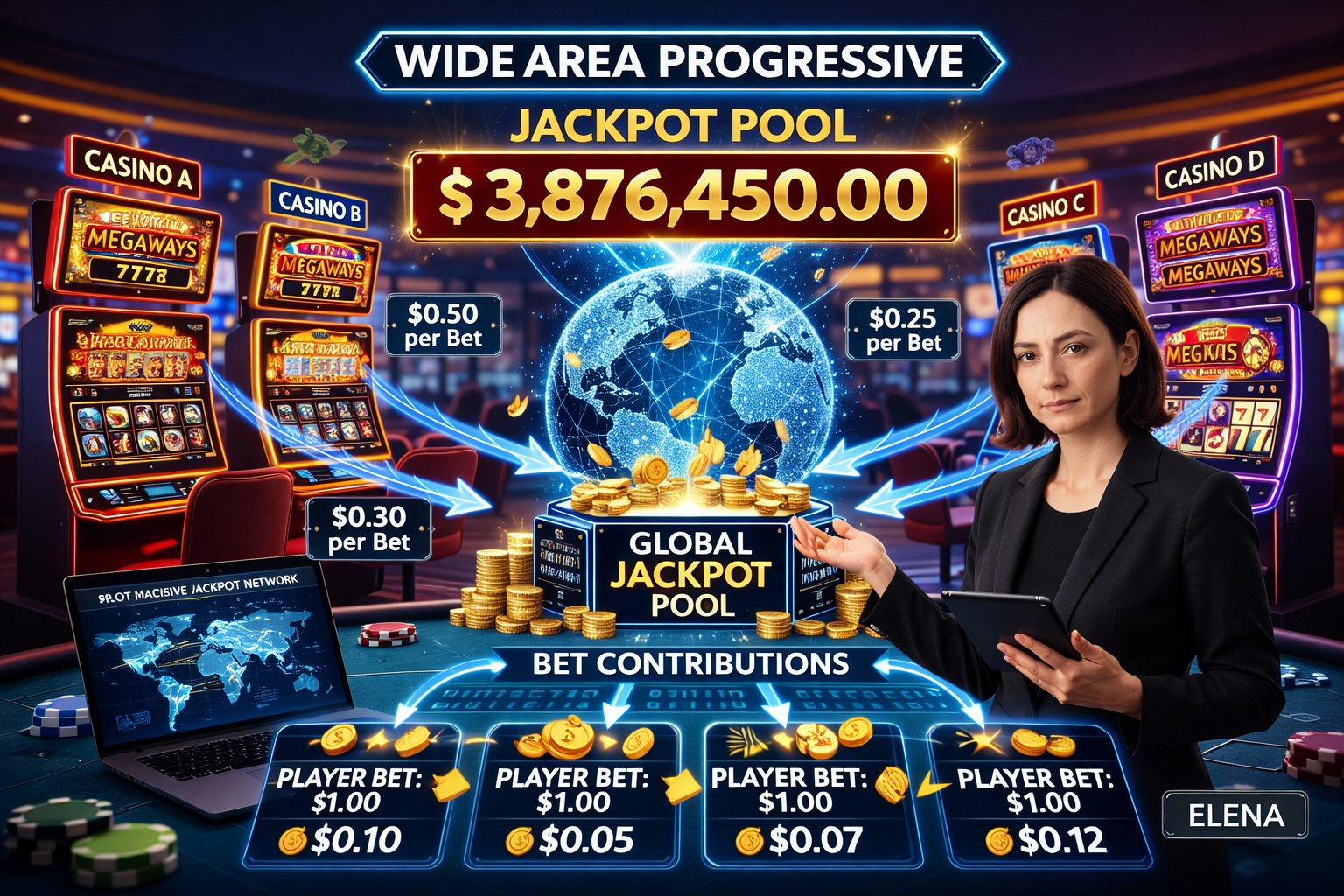
Một máy đánh bạc tiêu chuẩn có bảng thanh toán cố định. Nếu bạn căn chỉnh năm biểu tượng giống nhau, bạn sẽ thắng một bội số tĩnh của cược, có thể là 500x. Trách nhiệm tối đa của sòng bạc thì đã được biết đến. Một máy đánh bạc jackpot tiến bộ hoạt động trên một kiến trúc tài chính hoàn toàn khác. Nó là một quỹ thanh khoản chia sẻ.
Để hiểu toán học, bạn phải hiểu hai thành phần cơ bản của bất kỳ động cơ tiến bộ nào: Giá Trị Dự Bị và Tỷ Lệ Đóng Góp.
Giá Trị Dự Bị: Trách Nhiệm Cơ Bản
Khi một giải jackpot được thắng, nó không được đặt lại về zero. Nếu nó được đặt lại về zero, không ai sẽ chơi nó. Nó được đặt lại về một "Giá Trị Dự Bị." Đây là khoản trả thưởng tối thiểu đảm bảo do nhà phát triển trò chơi hoặc mạng sòng bạc tài trợ.
Ví dụ, mạng Mega Moolah nổi tiếng trong ngành (được vận hành bởi Games Global) có giá trị dự bị cho Mega Jackpot là 2.000.000 đô la. Khi một người chơi thắng 10 triệu đô la, đồng hồ tức thì trở lại 2 triệu đô la. Số tiền dự bị đó là một sự cần thiết toán học để duy trì mức độ tham gia và thanh khoản của người chơi trong mạng lưới.
Tỷ Lệ Đóng Góp: Thuế Ẩn
Giải jackpot tăng từ 2 triệu đô la lên 10 triệu đô la như thế nào? Thông qua một khoản thuế vi mô trên mỗi lần quay. Đây là Tỷ Lệ Đóng Góp.
Mỗi khi bạn cược 1.00 đô la trên một máy đánh bạc tiến bộ, một phần trăm cụ thể sẽ bị trích xuất và tiêm vào các đồng hồ jackpot. Một phân phối đóng góp điển hình trên bốn cấp độ jackpot (Mini, Minor, Major, Mega) có thể trông như sau:
- Jackpot Mini: 1,50% của số cược.
- Jackpot Minor: 1,00% của số cược.
- Jackpot Major: 0,50% của số cược.
- Jackpot Mega: 2,00% của số cược.
- Tổng Đóng Góp: 5,00%.
Nếu tổng đóng góp là 5%, điều này có nghĩa là 5 xu trong mỗi đô la bạn đặt cược không bao giờ chạm vào mô hình toán học của trò chơi cơ bản. Nó biến mất vào quỹ toàn cầu. Bạn đang trả một khoản phí 5% cho đặc quyền mua một vé số điện tử.
Suy Giảm RTP: Chi Phí Của Giấc Mơ
Điều này dẫn chúng ta đến thực tế toán học quan trọng nhất, nhưng cũng bị hiểu lầm nhiều nhất, của các máy đánh bạc tiến bộ: Suy Giảm RTP.
Các người chơi thường nhìn vào màn hình thông tin của một máy đánh bạc jackpot và thấy "RTP: 93,00%." Họ so sánh điều này với một máy đánh bạc video tiêu chuẩn ở mức 96,00% và nghĩ rằng sự khác biệt này là không đáng kể. Họ đã sai lầm chết người.
93,00% RTP đó là Tổng Lợi Tổng Thuyết Lý. Nó bao gồm cả đóng góp jackpot. Nếu trò chơi có tỷ lệ đóng góp 5%, RTP Trò Chơi Cơ Bản chỉ là 88,00%.
Thực Tế Toán Học Của 88% RTP:
Khi bạn chơi trò chơi cơ bản của một máy đánh bạc tiến bộ, bạn đang chơi một cỗ máy toán học tàn bạo. Một RTP 88% có nghĩa là Lợi Thế Nhà trên các guồng tiêu chuẩn là 12%. Đây là tệ hơn nhiều so với nhiều máy đánh bạc vật lý trên dải Las Vegas.
Bởi vì trò chơi cơ bản bị thiếu hụt quỹ (khi quỹ này đang bị chuyển về quỹ jackpot), các khoản trả thưởng tiêu chuẩn là vô cùng tồi tệ. "Tần suất Hit" có thể vẫn giữ ở mức trung bình, nhưng "Độ Lớn Đặt Cược" thì bị nghiền nát. Bạn sẽ tạo ra các tổ hợp năm biểu tượng giống nhau mà gần như không đủ để trả lại số tiền cược ban đầu của bạn. Trò chơi được thiết kế về mặt toán học để rút cạn ngân sách của bạn càng nhanh càng tốt để tài trợ cho giải thưởng khổng lồ ở trên cùng. Trừ khi bạn thắng jackpot, bạn đang tham gia vào một giao dịch cờ bạc vô cùng không hiệu quả.
Tính Toán Xác Suất Thực Sự Của Một Mega Jackpot
Các sòng bạc và nhà phát triển hiếm khi công bố chính xác tỷ lệ trúng jackpot Mega. Họ thích sử dụng các cụm từ như "Xác suất tăng lên với kích thước cược." Tuy nhiên, bằng cách phân tích kiến trúc mã nguồn và các báo cáo kế toán xác suất do các cơ quan quản lý như Cơ quan Quản lý Trò chơi Malta yêu cầu, chúng ta có thể tính toán các phạm vi thống kê.
Xác suất để trúng một giải jackpot tiến bộ toàn cầu như Mega Fortune hoặc WowPot thường được thiết kế để nằm giữa 1 trong 40.000.000 và 1 trong 60.000.000 cho mỗi vòng quay đủ điều kiện tối thiểu.
Để đặt điều này vào bối cảnh: Xác suất của bạn để bị sét đánh trong một năm nhất định là khoảng 1 trong 1,2 triệu. Bạn có khả năng bị sét đánh hơn nhiều so với việc bạn giành được Mega Moolah trên một lần quay 0,25 đô la.
Ánh Xạ RNG Của Bánh Jackpot
Hầu hết các trò chơi tiến bộ sử dụng cơ chế hình ảnh "Bánh Jackpot". Bánh xe xuất hiện và được chia thành các lát. Bạn thấy hai mươi lát "Mini", mười lát "Minor", bốn lát "Major", và một lát "Mega".
Đừng để bị lừa bởi hình học của bánh xe. Kích thước vật lý của lát trên màn hình của bạn hoàn toàn không có tương quan nào với xác suất toán học của chỉ báo rơi vào đó.
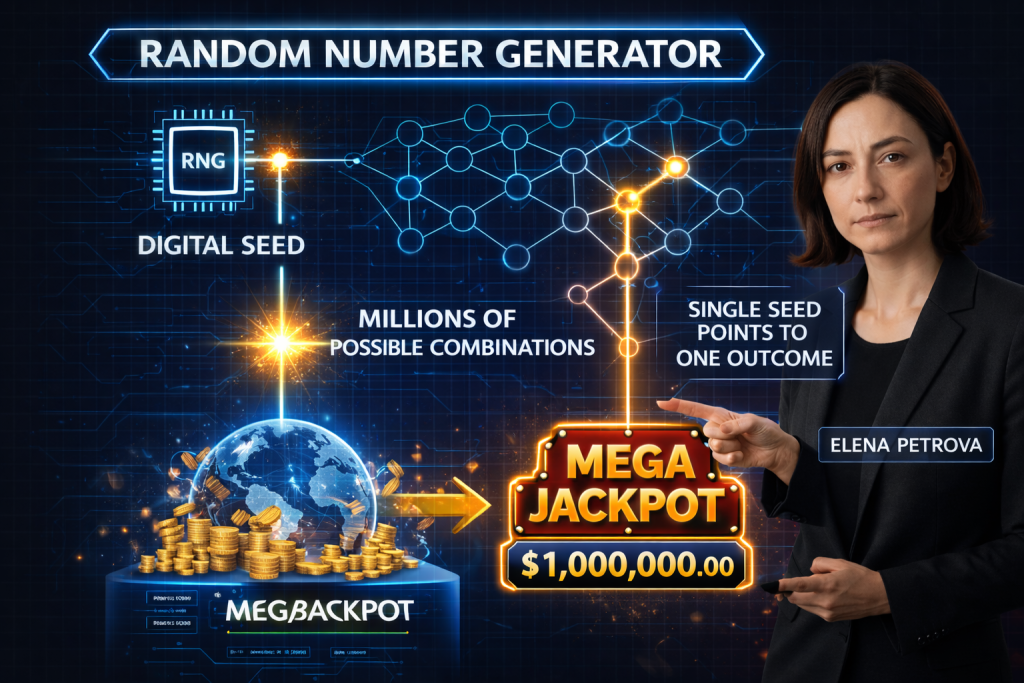
Đằng sau vô lăng là một Reel Ảo. Bộ phát số ngẫu nhiên (RNG) đang rút một số từ một hồ bơi khổng lồ.
- Các số từ 1 đến 2,000,000 có thể được liên kết với Mini.
- Các số từ 2,000,001 đến 2,500,000 có thể được liên kết với Minor.
- Các số từ 2,500,001 đến 2,505,000 có thể được liên kết với Major.
- Số 3,000,000 (chỉ một số duy nhất) được liên kết với Mega.
Khi bánh xe đang quay, kết quả đã được quyết định bởi RNG. Sự chậm lại gây kịch tính của bánh xe, những tình huống gần như không trúng khi nó dừng lại ngay sau phân đoạn Mega… đây là một hoạt hình thuần túy. Nó được thiết kế để điều khiển các thụ thể dopamine của bạn. Toán học lạnh lùng, tức thời và hoàn toàn không có lợi cho bạn.
Cạm bẫy Thưởng Casino: Tại sao bạn không bao giờ nên trộn chúng
Bây giờ chúng ta đã đến với sai lầm tốn kém nhất mà người chơi có thể mắc phải. Các sòng bạc trực tuyến quảng cáo mạnh mẽ các “Thưởng Khớp 100%.” Người chơi gửi 500 đô la, nhận thưởng 500 đô la, và nghĩ: “Tôi có 1,000 đô la! Tôi sẽ sử dụng số tiền lớn này để săn lùng giải jackpot tiến bộ.”
Đây là một thảm họa toán học và hợp đồng. Đây là lý do chính xác tại sao.
1. Điều Khoản “Các trò chơi bị loại trừ”
Mở Điều Khoản và Điều Kiện của bất kỳ khoản thưởng casino nào trên thế giới. Cuộn xuống danh sách “Các trò chơi bị loại trừ” hoặc “Đóng góp 0%”. Tất cả các máy chơi jackpot tiến bộ diện rộng sẽ được liệt kê ở đó. Mega Moolah, Divine Fortune, Hall of Gods, Jackpot Giant. Tất cả đều bị cấm.
Tại sao? Bởi vì casino không thể giải quyết được trách nhiệm. Khi bạn chơi một máy slot tiến bộ, 5% đóng góp cho jackpot được trả cho nhà phát triển trò chơi (người điều phối mạng). Nếu bạn đang sử dụng “Tiền Thưởng” (mà về cơ bản là tín dụng casino giả cho đến khi được cá cược), casino sẽ phải trả tiền thật cho nhà phát triển để tài trợ cho các đóng góp cho jackpot của bạn. Họ sẽ không bao giờ bù lỗ cho vé xổ số của bạn bằng ngân sách tiếp thị của họ.
2. Kịch bản Thắng Lợi Bị Huỷ
Chuyện gì xảy ra nếu phần mềm casino không ngăn bạn mở trò chơi? Chuyện gì sẽ xảy ra nếu bạn quản lý để quay Mega Moolah với một khoản thưởng đang hoạt động, và bạn thực sự trúng Jackpot Mega 5 triệu đô la?
Bạn sẽ không nhận được gì cả.
Casino sẽ kiểm tra lịch sử quay của bạn trước khi chi trả một khoản tiền lớn. Họ sẽ thấy rằng vòng quay này được tài trợ bởi một khoản thưởng theo điều khoản trò chơi bị hạn chế. Họ sẽ hợp pháp hủy vòng quay. Họ sẽ viện dẫn vi phạm hợp đồng. Bạn sẽ chứng kiến 5 triệu đô la biến mất vì bạn đã không đọc được toán học phía sau tiếp thị. Đừng bao giờ, không bao giờ chơi máy slot tiến bộ với một khoản thưởng casino đang hoạt động.
3. Tính Không Thể Đáp Ứng Yêu Cầu Cá Cược
Ngay cả khi bạn tìm thấy một “Tiến Bộ Địa Phương” hiếm hoi được phép sử dụng với tiền thưởng, toán học của Yêu Cầu Cá cược (WR) đều khiến nó trở thành một cái bẫy.
Như chúng tôi đã thảo luận trong các phân tích trước đây, bạn hoàn thành yêu cầu cá cược bằng cách dựa vào RTP cao của trò chơi cơ bản. Bạn cần một trò chơi với RTP 96% hoặc 97% để xử lý 10,000 đô la khối lượng. Nếu bạn cố gắng hoàn thành một cược trên một máy slot tiến bộ với RTP cơ bản 88%, Lợi Thế Nhà sẽ tiêu diệt số dư của bạn trước khi bạn thậm chí hoàn thành 20% của khối lượng yêu cầu. Đây là một xác suất toán học dẫn đến phá sản.
Cơ Chế “Phải Trúng Trước”: Thời Đại Mới của Giải Jackpot
Trong những năm gần đây, các nhà phát triển như Red Tiger và Relax Gaming (với series Dream Drop của họ) đã cách mạng hóa mô hình toán học với các giải jackpot “Phải Trúng Trước” hoặc “Hàng Ngày”.
Các jackpot truyền thống về lý thuyết là vô hạn. Chúng có thể tăng lên trong nhiều năm. Các jackpot “Phải Trúng Trước” có một trần toán học được mã hóa cứng hoặc một giới hạn thời gian. Ví dụ, một Giải Jackpot Hàng Ngày phải trả trước nửa đêm.
Toán Học của Sự Chi Trả Bị Ép
Điều này hoàn toàn thay đổi đường cong xác suất. Trong một giải jackpot truyền thống, xác suất thắng của bạn giống hệt như vào lúc 8:00 sáng và 11:50 tối.
Trong một Giải Jackpot Hàng Ngày, xác suất là động. Thuật toán RNG được lập trình để giám sát thời gian và lượng cổ phiếu còn lại. Khi thời gian gần đến nửa đêm, xác suất mà RNG chọn hạt giống thắng tăng lên theo cấp số nhân.
Điều này tạo ra một cơ hội toán học thực sự cho Chơi Lợi Thế (AP). Nếu là 11:45 tối, và Giải Jackpot Hàng Ngày chưa được phát hành, giá trị mong đợi (+EV) của một lần quay sẽ trở thành khổng lồ. Máy đã bị ép bởi mã của nó để phát hành quỹ. Người chơi liên minh và những con bạc thông thạo toán học sẽ chờ bên lề cả ngày, chỉ bơm thanh khoản vào máy trong 20 phút cuối của chu trình. Họ đang khai thác đường cong xác suất bị ép.
Điều Kiện “Cược Tối Đa”: Bạn có Cần Cược Nhiều không?
Một huyền thoại dai dẳng trong cộng đồng casino là bạn phải nhấn nút “Cược Tối Đa” để thắng một giải jackpot tiến bộ. Năm 2026, điều này phụ thuộc rất nhiều vào động cơ cụ thể mà bạn đang chơi. Bạn phải đọc các quy tắc trò chơi để hiểu tính tỷ lệ.
Tỷ Lệ Tương Xứng (Tiêu Chuẩn Hiện Đại)
Hầu hết các mạng hiện đại (như Mega Moolah hoặc Dream Drop) sử dụng Tỷ Lệ Tương Xứng. Điều này có nghĩa là bạn có thể thắng giải jackpot với một cược tối thiểu 0.20 đô la. Tuy nhiên, xác suất của bạn để kích hoạt bánh xe jackpot tỷ lệ với kích thước cược của bạn.
Phương Trình:
Nếu bạn cược 0,20 USD, bạn có 1 “Vé” trong xổ số ảo.
Nếu bạn cược 2,00 USD, bạn có 10 “Vé” trong xổ số ảo.
RTP của khoản đóng góp vào giải độc đắc vẫn giống nhau bất kể kích thước cược của bạn. Bạn chỉ đơn giản là mua nhiều khối lượng biến động hơn cho mỗi vòng quay. Một cược 2,00 USD có khả năng kích hoạt tính năng lớn gấp 10 lần so với một cược 0,20 USD. Toán học hoàn toàn là tuyến tính. Không có hình phạt ẩn cho việc cược thấp, ngoài khả năng xác suất tuyệt đối thấp hơn.
Ngưỡng Cứng (Bẫy Di Sản)
Tuy nhiên, những máy cũ và một số cảng đất cụ thể vẫn sử dụng “Ngưỡng Cứng.” Các quy tắc sẽ ghi rõ: “Giải Mega chỉ có thể có tại Cược Tối Đa.”
Nếu bạn chơi những máy này với một mức cược thấp hơn, khoản đóng góp của bạn vẫn được rút ra để nuôi dưỡng giải Mega Jackpot, nhưng việc lập bản đồ RNG hoàn toàn loại bỏ phần Mega khỏi bảng xác suất của bạn. Bạn đang trả tiền cho một giải thưởng mà bạn hoàn toàn không thể giành được theo toán học. Đây là giao dịch tài chính tồi tệ nhất trên sàn casino. Nếu các quy tắc yêu cầu cược tối đa cho mức thưởng cao nhất, và bạn không thể đủ khả năng cược tối đa, bạn phải ngay lập tức từ bỏ máy.
Tính Toán Giá Trị Dự Kiến Dương (+EV) Trong Giải Độc Đắc
Có khi nào chơi một slot tiến bộ có lãi về mặt thống kê không? Có. Điều này xảy ra khi giải độc đắc phát triển quá lớn đến mức Giá Trị Dự Kiến của một vòng quay đơn vượt qua ngưỡng 100%.
Công Thức +EV:
EV = (Xác suất thắng x Số tiền Giải độc đắc) + RTP Trò chơi Cơ bản.
Giả sử một trò chơi slot giả định.
RTP Trò chơi Cơ bản = 90%.
Xác suất thắng giải Mega = 1 trên 50.000.000.
Chi phí Vòng quay = 1,00 USD.
Nếu Giải độc đắc ở mức 2.000.000 USD (Cơ sở):
Giá trị Giải độc đắc = (1 / 50.000.000) * 2.000.000 = 0,04 USD (hoặc 4%).
Tổng Giá trị = 90% + 4% = 94%. (Đây là một trò chơi với dự kiến tiêu cực).
Nếu Giải độc đắc tăng lên 10.000.000 USD:
Giá trị Giải độc đắc = (1 / 50.000.000) * 10.000.000 = 0,20 USD (hoặc 20%).
Tổng Giá trị = 90% + 20% = 110%.
Tại mức 10 triệu USD, trò chơi về mặt toán học tạo ra được 110% lợi tức. Điều này là +EV. Đối với mỗi 100 USD bạn đặt cược, mô hình toán học cho rằng bạn sẽ nhận lại 110 USD.
Kiểm Tra Thực Tế:
Khi trò chơi là +EV, Biến Động là khổng lồ. Giá trị kỳ vọng hoàn toàn tập trung vào sự kiện 1 trên 50 triệu ấy. Để thực sự nhận được lợi nhuận 110%, bạn sẽ lý thuyết cần chơi hàng triệu vòng quay để đảm bảo trúng giải độc đắc. Bạn sẽ phá sản trước khi mọi thứ cân bằng lại. +EV trên một máy slot tiến bộ là một sự thật toán học, nhưng là một ảo tưởng thực tiễn cho một người chơi đơn với một ngân quỹ tiêu chuẩn.
Tiến Bộ Địa Phương vs. Tiến Bộ Khu Vực Rộng: Các Quỹ Thanh Khoản
Cuối cùng, chúng ta phải phân biệt giữa các loại quỹ thanh khoản. Bạn phải biết tiền đến từ đâu.
Tiến Bộ Khu Vực Rộng (Toàn Cầu)
Đây là những con quái vật. Mega Moolah, WowPot, Mega Fortune. Quỹ thanh khoản được liên kết trên hàng trăm casino khác nhau trên toàn cầu. Một người chơi ở Vương quốc Anh, một người chơi ở Canada, và một người chơi ở Thụy Điển đều đang góp tiền vào cùng một giải độc đắc. Quỹ tăng trưởng rất nhanh vì khối lượng vòng quay là khổng lồ. Tuy nhiên, sự cạnh tranh của bạn cũng là toàn cầu. Hàng triệu người đang tranh giành cùng một hạt giống RNG.
Tiến Bộ Địa Phương
Những giải độc đắc này chỉ nằm trong phạm vi một casino, hoặc một nhóm nhà điều hành casino (chẳng hạn như giải của nhóm Betsson). Những trò chơi như Divine Fortune thường hoạt động như những tiến bộ địa phương.
Bảng chỉ số chỉ hiển thị 80.000 USD thay vì 8.000.000 USD. Nó tăng trưởng chậm hơn nhiều vì chỉ có người chơi tại casino cụ thể đó đang đóng góp. Tuy nhiên, tỷ lệ thắng lại tốt hơn rất nhiều do số lượng người chơi nhỏ hơn nhiều. Từ quan điểm thuần túy về mặt toán học, việc săn lùng “Tiến Bộ Địa Phương” đã quá hạn mang lại một đường cong biến động thực tế hơn so với việc theo đuổi các mạng lưới Mega toàn cầu.
Kết Luận: Vé Xổ Số Ngụy Trang
Tôi không nói với người chơi là nên tránh xa các giải độc đắc tiến bộ hoàn toàn. Nếu bạn có thu nhập khả dụng và bạn muốn theo đuổi giấc mơ không bao giờ phải làm việc nữa, đó là quyền của bạn.
Nhưng bạn phải chơi với con mắt mở về toán học. Bạn phải chấp nhận rằng bạn đang chơi một trò chơi cơ bản bị giảm sút nghiêm trọng. Bạn phải chấp nhận thuế ẩn 5% cho mỗi vòng quay. Bạn phải nhận ra rằng xác suất của bạn kém hơn nhiều so với việc thắng xổ số quốc gia. Và trên tất cả, bạn phải tuyệt đối không làm ô nhiễm cuộc săn giải độc đắc của mình với tiền thưởng casino.
Hãy coi máy slot tiến bộ không phải là một trò chơi casino, mà là một thẻ cào kỹ thuật số. Phân bổ một tỷ lệ nhỏ, nghiêm ngặt trong ngân quỹ của bạn cho nó. Thực hiện 50 vòng quay, hãy thử vận may của bạn với thuật toán, và sau đó bước ra để chơi một trò chơi thực sự tôn trọng tiền của bạn. Con số không nói dối, và con số cho thấy rằng nhà cái đang dùng lưng của những người săn giải độc đắc để tài trợ cho sự mở rộng của nó.
Câu Hỏi Thường Gặp
Bạn có thể sử dụng tiền thưởng casino để thắng giải độc đắc tiến bộ không?
Chắc chắn là không. Mỗi casino trực tuyến hợp pháp đều cấm rõ ràng việc sử dụng tiền thưởng cho các máy slot giải độc đắc tiến bộ trong các Điều khoản và Điều kiện của họ. Nếu bạn vượt qua được khối phần mềm và thắng, casino sẽ hủy toàn bộ số dư của bạn với lý do vi phạm hợp đồng.
Các cược cao hơn có tăng khả năng thắng giải độc đắc không?
Trên các mạng lưới tỷ lệ hiện đại, có. Cược 2,00 USD thay vì 0,20 USD về mặt toán học sẽ mang lại cho bạn 10 lần nhiều hơn “đầu vào” vào việc rút thăm RNG cho vòng quay cụ thể đó. Tuy nhiên, tỷ lệ Trả tiền cho người chơi (RTP) vẫn hoàn toàn như nhau. Bạn chỉ đang mua biến động cao hơn.
Giảm giá RTP có nghĩa là gì trong slot giải độc đắc?
Sự suy giảm RTP đề cập đến phần trong tỷ lệ Trả lại cho Người chơi mà bị khóa trong quỹ jackpot. Nếu một trò chơi có tổng RTP là 94%, nhưng 6% được dành cho các jackpot, thì trò chơi cơ bản chỉ hoạt động ở mức RTP 88%. Điều này khiến cho trò chơi tiêu chuẩn trở nên rất biến động và tốn kém.
Các Jackpot hàng ngày có được tráo trở để rơi vào một thời điểm nhất định không?
Chúng không bị tráo trở, nhưng chúng bị hạn chế bằng thuật toán. Các jackpot “Phải Đạt Được Trước” sử dụng một đường cong xác suất động. Khi thời hạn đến gần, RNG buộc phải tăng xác suất chọn hạt giống thắng, đảm bảo rằng việc thanh toán diễn ra trước khi thời gian hết hạn.
Jackpot Tiến bộ Địa phương là gì?
Jackpot Tiến bộ Địa phương là một quỹ jackpot chỉ được tài trợ bởi người chơi tại một sòng bạc hoặc nhóm nhà điều hành cụ thể. Nó không chia sẻ tính thanh khoản toàn cầu. Mặc dù số tiền giải thưởng nhỏ hơn nhiều, nhưng xác suất thắng tính toán lại tốt hơn đáng kể do số lượng người chơi cạnh tranh ít hơn.

Chuyên gia Phân tích Slot Cấp cao & Chuyên gia Toán học Trò chơi (Từ năm 2015)
Sứ mệnh: Đồ họa hào nhoáng không tạo ra lợi nhuận; toán học mới làm được điều đó. Tôi gia nhập Casino545 để phân tích các slot trực tuyến và tiền thưởng, tiết lộ giá trị toán học thực sự (RTP) đằng sau sự cường điệu tiếp thị. Ưu tiên tuyệt đối của tôi là đảm bảo độc giả hiểu rõ tỷ lệ chính xác và cơ chế trò chơi trước khi nhấn “spin”.
Kinh nghiệm trong Ngành
Với nền tảng về Toán học Ứng dụng, tôi bước vào lĩnh vực kỹ thuật của iGaming vào năm 2015. Thay vì marketing hay hỗ trợ, tôi bắt đầu “bên trong hệ thống” với vai trò Kiểm thử Đảm bảo Chất lượng (QA) tại một studio trò chơi lớn của châu Âu.
Việc kiểm tra cơ chế slot, xác minh đường cong biến động và kiểm toán Bộ tạo số ngẫu nhiên (RNG) để đảm bảo tính ngẫu nhiên thực sự đã dạy tôi cách đọc giữa các dòng. Tôi biết chính xác cách phát hiện các chỉ số RTP bị thao túng và phân biệt giải trí công bằng với thiết kế toán học mang tính khai thác.
Lĩnh vực Chuyên môn Cốt lõi
- Toán học RTP & Biến động: Phân tích thuật toán của nhà cung cấp để xác minh tần suất trúng thưởng thực tế.
- Định giá Tiền thưởng: Tính toán giá trị tiền tệ thực sự của khuyến mãi so với yêu cầu cược ẩn.
- QA Studio Trò chơi: Xác định cơ chế gây hiểu lầm và phần mềm RNG chưa được xác minh.
Phương pháp Đánh giá
- Bài kiểm tra 1.000 Spin: Tôi không chỉ đọc hướng dẫn; tôi thực hiện các phiên quay bằng tiền thật để xác minh liệu mức biến động thực tế có khớp với tài liệu kỹ thuật của nhà phát triển hay không.
- Kiểm toán Toán học Tiền thưởng: Tôi tính toán chi phí thực sự của một khoản thưởng. Nếu yêu cầu cược 50x khiến việc chiến thắng gần như không thể về mặt thống kê, tôi sẽ đánh dấu ngay lập tức.
- Theo dõi RTP Động: Tôi chủ động kiểm tra xem các sòng bạc có âm thầm giảm cài đặt RTP mặc định trên các trò chơi phổ biến để bảo vệ biên lợi nhuận của họ hay không.
Cam kết về Cờ bạc Có Trách nhiệm
Cờ bạc phải là một giao dịch minh bạch dựa trên sự thật, không bao giờ dựa trên hy vọng sai lầm. Tôi ủng hộ mạnh mẽ Điều khoản & Điều kiện rõ ràng và hỗ trợ các sáng kiến ngành yêu cầu nhà vận hành hiển thị rõ ràng các chỉ số RTP trực tiếp và không bị thay đổi trên mọi giao diện trò chơi.