

Claim Your €1,000 Welcome Bonus Package!

Welcome to the absolute ultimate, deeply honest, and highly technical guide to navigating Kahnawake Gaming Commission (KGC) licensed casinos in 2026. My name is Carlos Costa Silva. As an independent casino auditor with over twenty years of experience tracking missing funds, testing casino software, and fighting predatory terms and conditions, I can tell you that the Kahnawake license occupies a very unique, often misunderstood space in the global gambling ecosystem.
When players talk about online casino licensing, they usually focus on the two extremes: the suffocating, highly bureaucratic European regulators like the Malta Gaming Authority (MGA) and the UK Gambling Commission (UKGC), or the historically loose offshore islands like Curacao. But sitting right in the middle, operating from a sovereign Mohawk Territory just outside Montreal, Canada, is the Kahnawake Gaming Commission.
Founded all the way back in 1999, the KGC was literally one of the first jurisdictions on planet Earth to recognize the potential of internet gambling. Today, in 2026, as Curacao aggressively tightens its rules under the new LOK framework and European markets become increasingly hostile to cryptocurrency, Kahnawake has quietly positioned itself as the ultimate "sweet spot." It offers operators the freedom of 0% corporate gaming tax and unrestricted crypto support, while simultaneously offering players a legitimate, highly effective, government-backed dispute resolution center.
However, as a professional auditor, I am not here to read you a marketing brochure. You cannot treat a Kahnawake casino exactly the same way you treat an MGA casino. The financial segregation rules are different, the bankruptcy protections are different, and the corporate structures are highly unique. This comprehensive, 3,000-word regulatory audit will give you the unvarnished, insider truth about playing at a KGC casino today. I am going to explain the reality of the "MIT Server Mandate," dissect their annual dispute resolution success rates, expose how they handle crypto KYC (Know Your Customer) policies, and teach you how to mathematically verify a KGC dynamic seal. Below this massive guide, you will find our heavily vetted, strictly tested list of the top online casinos holding an active Client Provider Authorization (CPA) from Kahnawake. Let's get to the truth.
When our auditing team reviews the licensing credentials of a new online casino, finding a valid Kahnawake Gaming Commission (KGC) seal tells us a very specific story about the operator's business model. It tells us this operator wants to target the massive North American gray markets (particularly Canadian players outside of the strictly regulated Ontario borders) and international crypto players, but they want to do so without the nasty "scam" stigma historically attached to Caribbean island licenses.
The KGC is highly respected in the industry because they are not a new, pop-up regulator trying to make a quick buck off licensing fees. They have been doing this for over 25 years. They survived the early "Wild West" days of the internet, they survived the American UIGEA crackdown in 2006, and they are thriving in the 2026 crypto boom.
From a regulatory standpoint, the KGC strikes a brilliant balance. On the operator side, the financial barrier to entry is reasonable (roughly a $40,000 application fee for a Client Provider Authorization), and there is a 0% corporate tax rate on gaming revenues. This allows smaller, highly innovative casino startups to launch platforms without needing millions of euros in backing.
On the player side, the KGC provides genuine, government-backed accountability. Unlike some offshore regulators that completely ignore player emails, the KGC employs actual investigators. If a casino refuses to pay your legitimate winnings, the KGC will step in. However, because they are more flexible than European regulators, you will find fewer mandatory, algorithmic responsible gambling limits forced upon you. If you are an educated, high-volume gambler who wants massive bonuses, instant crypto withdrawals, and unrestricted gameplay—but you still want a regulator you can call if things go wrong—a Kahnawake casino is one of your best possible choices.
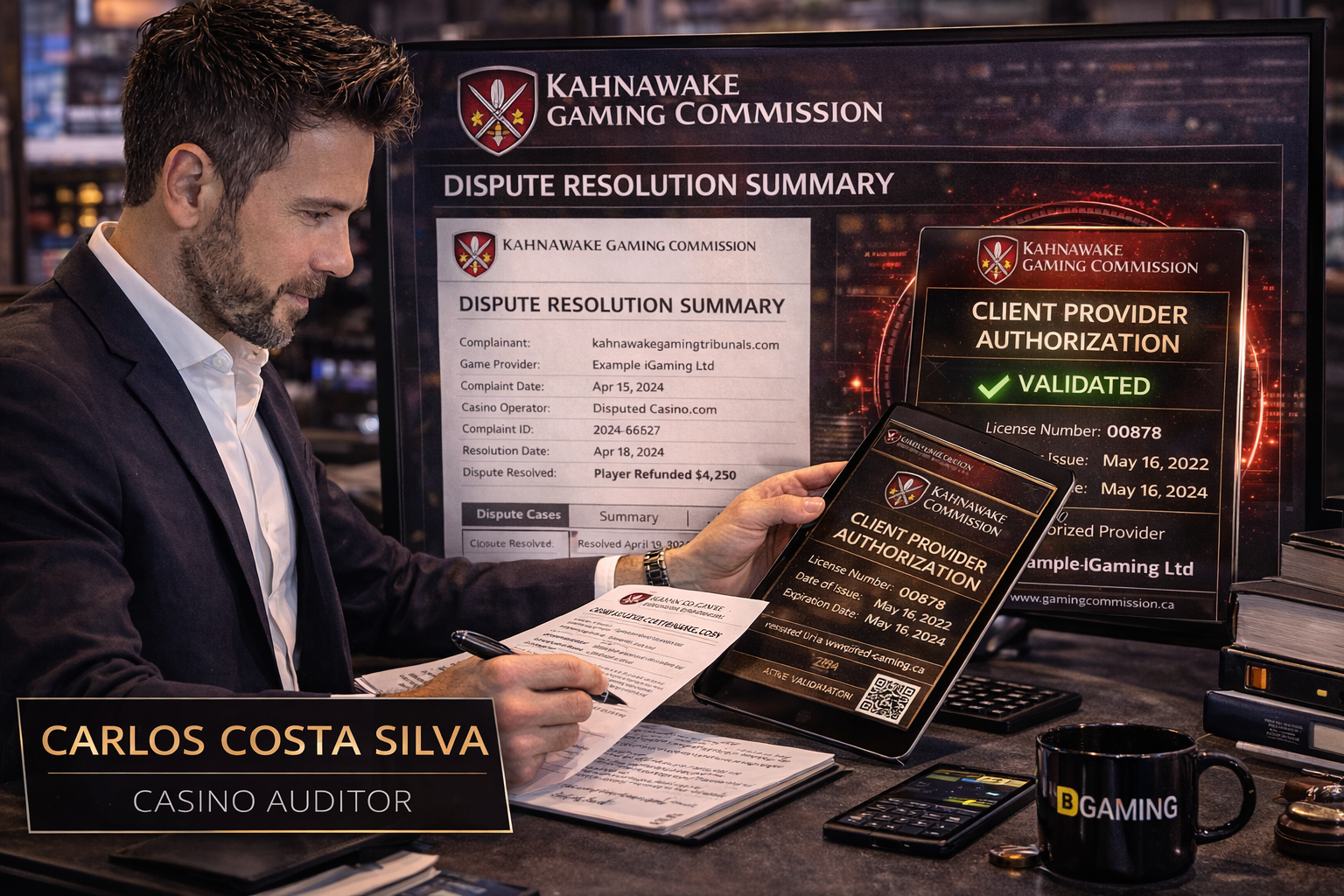
I am going to let you in on an industry secret that very few casino review websites even know exists. It is the absolute core reason why the Kahnawake Gaming Commission holds so much actual, tangible power over the casinos they license. It is called the Mohawk Internet Technologies (MIT) Mandate.
If a casino operates under a standard Curacao or Anjouan license, the casino's actual physical servers can be located anywhere in the world—usually hidden in a massive AWS cloud data center in Europe or Asia. If that casino goes rogue, refuses to pay players, and ignores the regulator, the regulator can revoke their digital license, but they cannot actually turn the casino off. The casino can simply keep operating illegally and stealing money.
The Kahnawake Gaming Commission solved this problem decades ago.
Under KGC regulations, any operator holding a Client Provider Authorization (CPA) is legally mandated to host their primary gaming servers locally at the Mohawk Internet Technologies (MIT) data center, located directly inside the Kahnawake Mohawk Territory.
Why this matters to your bankroll:
This gives the KGC the ultimate "kill switch." If an operator commits massive fraud, gets caught rigging a Random Number Generator (which is almost impossible today, but hypothetically), or refuses to honor a regulatory ruling to pay a player's jackpot, the KGC does not have to send polite emails asking them to stop. The KGC simply walks down the street to the MIT data center and unplugs the casino's servers from the internet.
Because the operators know the regulator literally controls the physical hardware keeping their multi-million dollar business online, compliance rates in Kahnawake are exceptionally high. The operators respect the KGC because the KGC has actual teeth.
In 2026, transparency is the ultimate currency of trust. While many offshore regulators operate in complete secrecy, never revealing how many player complaints they receive, the KGC does something highly unusual for an offshore jurisdiction: they publicly publish their data.
Every single year, the Kahnawake Gaming Commission publishes a Dispute Resolution Summary on their official website (gamingcommission.ca). As an auditor, I analyze these reports religiously.
If you have a problem with a KGC-licensed casino—for example, your account was locked during a €10,000 withdrawal because the casino vaguely accused you of "irregular betting patterns"—you have a formal, structured path to fight back.
The KGC Dispute Process:
The Auditor's Reality Check: The KGC will not blindly side with the player. If the server logs prove that you actually did break the rules—for example, you created three different accounts to claim the same welcome bonus three times (multi-accounting)—the KGC will rule in favor of the casino and your funds will remain confiscated. They enforce the law exactly as it is written in the casino's Terms and Conditions.
As I mentioned in the verdict, the global regulatory landscape is currently at war over cryptocurrency. The European regulators (MGA, UKGC) treat crypto like radioactive material. If you deposit Bitcoin at an MGA casino, you will be subjected to nightmarish Source of Wealth (SOW) audits where you have to prove exactly how you earned the money to buy the Bitcoin years ago.
The Kahnawake Gaming Commission took a much smarter, progressive approach. They do not view cryptocurrency as an enemy; they view it as a standard payment rail.
The KGC allows their licensed operators to seamlessly accept Bitcoin, Ethereum, USDT, Litecoin, and Dogecoin for both deposits and withdrawals. There are no mandatory fiat-conversion laws, meaning you can play Provably Fair crypto games directly using micro-denominations of Bitcoin.
However, do not confuse "crypto-friendly" with "anonymous." The KGC is not a lawless zone. They enforce strict Anti-Money Laundering (AML) standards. While you might be able to create an account and deposit crypto with just an email address, the moment you request a significant withdrawal, the casino is legally mandated by the KGC to trigger KYC (Know Your Customer) protocols. You will have to provide a government-issued ID and a proof of address. The difference between Kahnawake and Malta is that Kahnawake generally stops at verifying your identity; they rarely subject you to the grueling, invasive financial audits required by European law unless there is a massive red flag for money laundering.
I promised you absolute honesty, and this is where I must highlight the biggest weakness of the Kahnawake license compared to top-tier European regulators.
If you read my guide on the Malta Gaming Authority (MGA), you know that MGA casinos are legally required to hold player funds in completely segregated tier-one bank accounts. If an MGA casino goes completely bankrupt, your money is legally ring-fenced and cannot be touched by the casino's creditors.
The Kahnawake Reality:
The KGC does not enforce absolute, legally binding European-style segregation of player funds to the exact same degree. While KGC regulations dictate that an operator must maintain sufficient liquid cash reserves to cover all player balances at all times, the legal walls protecting that money in the event of a catastrophic corporate bankruptcy are thinner than they are in Malta or the UK.
If a KGC-licensed casino suffers a massive financial collapse, the recovery of your deposited funds could be tied up in complex international bankruptcy courts, and there is no absolute guarantee that the Mohawk Territory will physically seize the funds and mail you a check.
Bankroll Management Advice: Because of this slight difference in financial architecture, you should never treat an offshore casino like a savings account. Do not leave a $50,000 balance sitting idle in a Kahnawake casino for six months while you take a break from gambling. When you hit a massive win, verify your account, withdraw the majority of your funds to your personal crypto hardware wallet or bank account, and only leave your daily playing bankroll online.
To understand who you are actually giving your money to, you must understand the corporate structure the KGC enforces. When an online casino applies for a license in Kahnawake, they are not just handed a generic piece of paper. They must acquire specific, tiered authorizations.
This is the holy grail. The CPA is the actual B2C (Business-to-Consumer) operating license. If a casino holds an active CPA, they are legally allowed to host interactive gaming (slots, poker, sports betting) and accept real-money deposits from players. A single corporate entity can hold a CPA, but they are limited in how many different casino URLs (domains) they can operate under that single license without paying heavy additional fees.
This is where the true corporate accountability lies. A company cannot just hold a CPA autonomously. The KGC requires that at least one actual, physical human being involved in the management of the casino applies for and holds a Key Person Permit.
To get a KPP, this individual must submit to a rigorous background investigation. The KGC checks their criminal record, their civil litigation history, and their financial history (including past bankruptcies). This ensures that known scammers and international criminals cannot hide behind anonymous offshore shell companies. If the casino breaks the law, the KGC knows exactly which human being holds the Key Person Permit and can hold them directly accountable.
Because the KGC license carries a strong reputation in the North American and crypto markets, rogue casinos will frequently steal the KGC logo, paste it on their website, and pretend to be licensed to trick uneducated players.
As an auditor, I implore you to never trust a static image. You must mathematically verify the seal yourself. It takes exactly thirty seconds.
Step 1: Locate the Seal
Scroll to the absolute bottom footer of the casino's homepage. You should see the official circular logo of the Kahnawake Gaming Commission.
Step 2: Click the Dynamic Link
A legitimate KGC seal is a dynamic hyperlink. Click the logo. It must immediately open a new browser tab pointing directly to the official regulatory domain: gamingcommission.ca. Look very closely at the URL bar. If it redirects you to a strange, misspelled domain like kahnawake-gaming-licenses.com (a known fraudulent site the KGC has actively warned against), you are on a scam casino.
Step 3: Verify the Certificate of Good Standing
When the official KGC page loads, it will display a formal "Certificate of Good Standing." You must physically verify three things on this page:
One of the primary reasons players seek out KGC-licensed casinos is the sheer size of the promotional offers. Because these operators do not have to pay the crippling 15% to 20% point-of-consumption taxes required by European regulators, they reinvest that money into massive player acquisition campaigns. It is completely normal to see welcome packages offering "$5,000 + 300 Free Spins" or massive Bitcoin match bonuses.
However, as a mathematically disciplined player, you must understand that massive bonuses come with massive defensive Terms and Conditions. The KGC does not micromanage bonus rules as strictly as the UKGC. Operators are allowed to set aggressive terms, provided they are clearly stated.
The Auditor's Checklist for KGC Bonuses:
The internet is currently flooded with platforms claiming to offer the best Canadian and international gaming experiences. Do not risk your bankroll by blindly trusting an advertisement.
Our dedicated, independent auditing team has spent hundreds of hours navigating the KGC regulatory framework. We have personally verified the corporate structures of the casinos listed in the category below. We have tested their fiat and crypto withdrawal speeds to ensure they actually possess the liquidity to pay massive winners. We have directly clicked their digital seals to ensure they resolve to a verified Certificate of Good Standing on the official gamingcommission.ca server. Most importantly, we have audited their Terms and Conditions to ensure they do not use predatory, hidden clauses to trap your funds. If you want to experience the massive bonuses and operational freedom of a top-tier offshore casino securely, pick a verified operator below and claim a fair welcome bonus.
Yes. The KGC is one of the oldest online gambling regulators in the world, operating continuously since 1999. They are a highly respected, stable jurisdiction. While they offer operators more flexibility than European regulators, they enforce strict rules regarding Random Number Generator (RNG) testing, background checks on casino owners, and they operate a highly effective, transparent player dispute resolution center.
If you have not violated any Terms and Conditions (like multi-accounting or bonus abuse), you are not helpless. You can file a formal complaint directly on the KGC website. The Commission will assign an investigator to review the casino's server logs. Because all KGC casinos are legally mandated to host their servers at the local Mohawk Internet Technologies (MIT) data center, the KGC has the ultimate authority to force the casino to pay you, or they will pull the plug on their servers.
It depends on what you value. Both jurisdictions are incredibly crypto-friendly, allowing massive Bitcoin and altcoin deposits without mandatory fiat conversion. However, the KGC historically has a much stronger track record of actually responding to player disputes and enforcing their rules compared to the old Curacao system. While Curacao's new LOK framework is improving, the KGC offers a highly stable, battle-tested alternative for crypto players who want stronger regulatory oversight.
Yes. The KGC enforces strict international Anti-Money Laundering (AML) standards. While you can usually register and deposit quickly, the moment you request a withdrawal, the casino's financial department is legally required to verify your identity. You will be asked to provide a government-issued photo ID (passport or driver's license) and a recent utility bill to prove your residential address before your funds are released.
Never trust a static image of the KGC logo. You must scroll to the bottom of the casino's homepage and click the KGC seal. It must open a new browser tab that directs you exclusively to gamingcommission.ca. The page will display an official "Certificate of Good Standing." You must verify that the specific website URL you are playing on is listed on that certificate and that the license status says "Valid."
Founder and Chief Regulatory Auditor at Casino545 (Since 2004)
Mission: I created Casino545 with a single, uncompromising goal: to cut through the marketing noise and bring real transparency to the online casino industry. My focus is on publishing independent, data-driven reviews built on actual operational testing, financial verification, and strict regulatory analysis. Marketing budgets don’t buy my opinions. Every evaluation follows rigorous editorial standards so players can access safe, compliant, and fair platforms.
Industry Experience: I’ve been breathing iGaming since 2004, right when regulated online gambling started expanding across Europe. I spent years working on the operational side for a major European operator, managing VIP support, payment processing, and internal risk controls. That “behind-the-scenes” experience gave me direct, hands-on exposure to how withdrawal procedures, AML compliance protocols, fraud prevention systems, and financial audits actually work. Today, I use that insider knowledge to audit casino payment systems, analyze withdrawal reliability, assess hidden bonus risks, and demand operational transparency from licensed platforms.
Core Areas of Expertise:
Review Methodology:
Commitment to Responsible Gambling: Player protection isn’t just a buzzword; it’s the core of my evaluation framework. I only prioritize operators that prove their regulatory compliance, enforce transparent policies, and offer structured self-exclusion systems. Gambling should be safe entertainment, and I strongly encourage access to independent support networks like GamCare and Gambling Therapy.
Claim Your €1,000 Welcome Bonus Package!